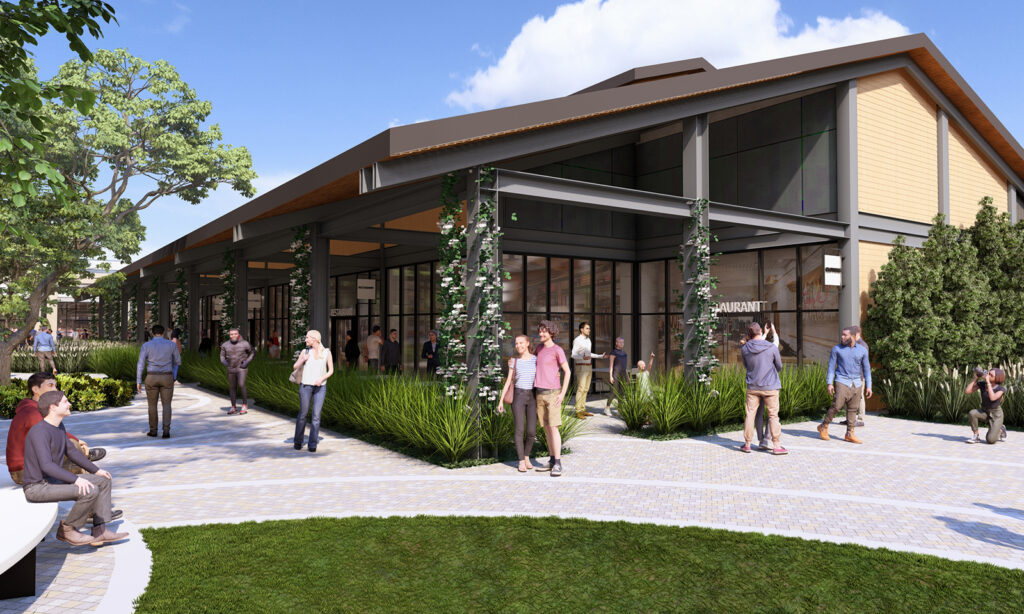
Not long ago, only the most ardent and well-heeled fans of Japanese cuisine were familiar with the term wagyu. Now the word has entered the mainstream – thanks to American wagyu.
Wagyu translates to “Japanese cow.” It refers to beef from four breeds of Japanese cattle prized for their “snowflake” marbling, which creates rich flavor and buttery, melt‑in-your-mouth texture.
Though American and Australian wagyu might seem contradictory in terms, they result from the interbreeding of Japanese cattle with, say, Black Angus.
Meanwhile, bona fide Japanese wagyu – and Kobe, an even loftier wagyu variety – also take their place on American menus.
Mastro’s Ocean Club
Mastro’s restaurants were the trendsetters when it came to the elite A5 Kobe – from the Tajima cattle of the Hyogo prefecture – and Japanese A5 wagyu, from the Miyazaki prefecture.
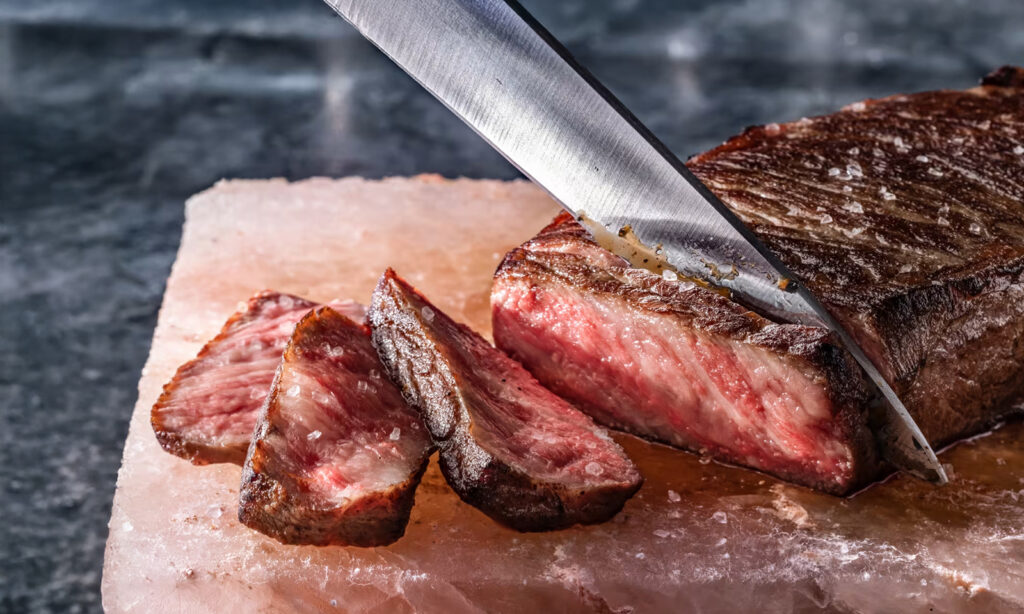
A5 is the highest possible grade of Japanese beef. These luxury cuts can seem nearly all white with marbling; after searing, they are incredibly luscious.
On the menu at Mastro’s Ocean Club at Irvine Spectrum Center are New York steaks in both A5 Kobe and A5 wagyu versions – in 2-ounce increments starting at 4 and 8 ounces, respectively – and a generous appetizer of A5 wagyu carpaccio. Often featured: A5 wagyu filet mignon.
The obvious matches for Japanese wagyu might be a red Burgundy or aged Bordeaux – but it pairs spectacularly with Champagne.
Wagyu Meat & Grill
With fast-casual locations at Culver Plaza and Sand Canyon Plaza, Wagyu Meat & Grill offers the premium meat at less-than-premium prices.
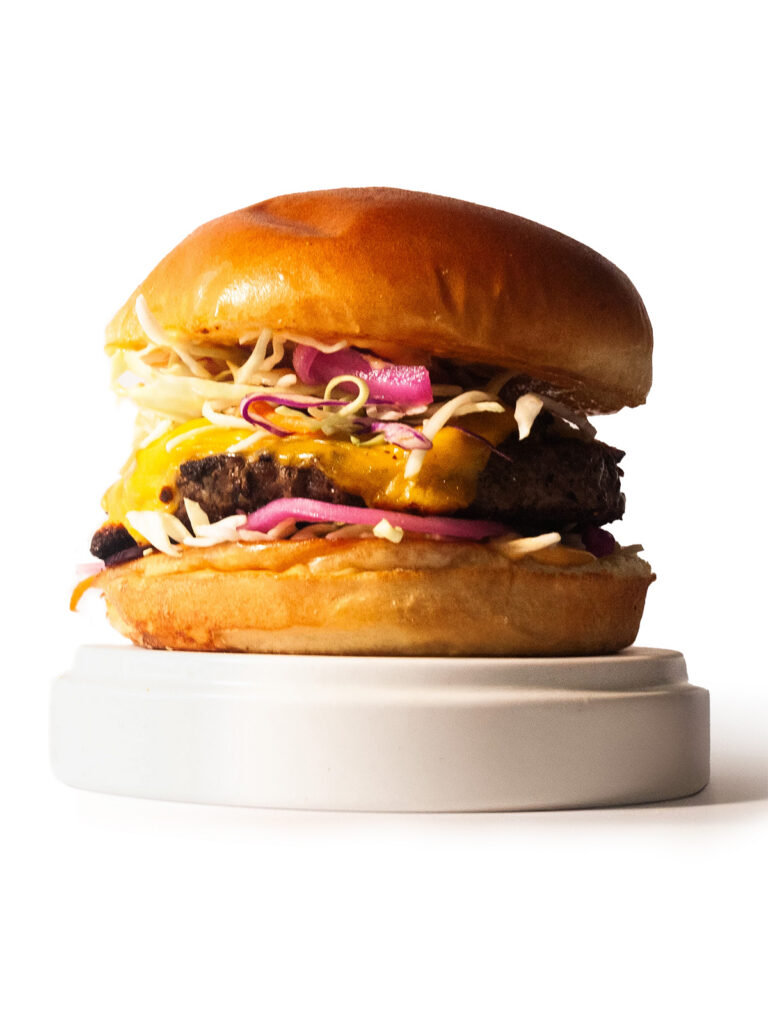
Order the wagyu beef bowl with rice or salad as a base, or try a wagyu burger with single or double patties.
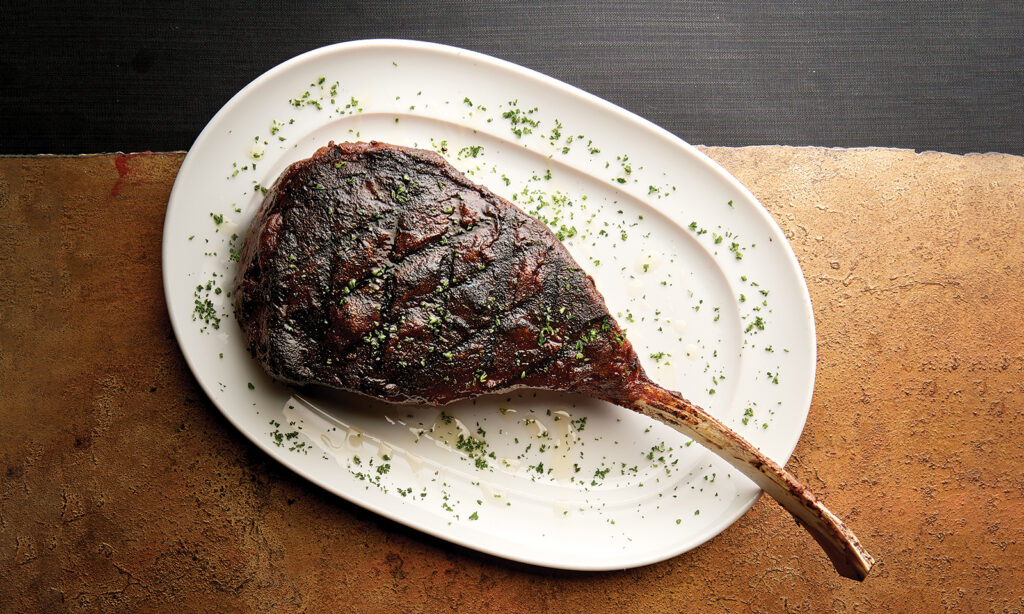
There’s also prepackaged frozen meat you take home to cook – eight American Akaushi wagyu cuts range from rib finger to tomahawk.
Akaushi, aka red wagyu, is a leaner variety. The American Akaushi here comes from the largest herd of Akaushi cattle in the U.S.
Fogo de Chão
Gaucho go-to Fogo de Chão at Irvine Spectrum Center is renowned for its elevated churrasco experience. Continuous tableside carving of premium Brazilian cuts is complemented by Brazilian sides, from cheese bread to caramelized bananas, and unlimited trips to the lavish Market Table.
Large Australian wagyu steaks are offered either as an a la carte enhancement to the full experience – in which case they easily serve four – or on their own, very generously accommodating two. The two wagyu options, both halal, are a 20-ounce New York strip and the 24-ounce ancho rib-eye.
Mikiya Wagyu Shabu House
All-you-can-eat wagyu for less than $100 is the lure at Westpark Plaza’s Mikiya Wagyu Shabu House. The decor is cool and colorful – Japanese art, both classic and cyberpunk, and a mirrored ceiling.
Tiered meals range from the silver set, spotlighting Australian wagyu, to the diamond feast, adding unlimited Japanese A5, seafood and appetizers.
Starters of choice: A5 wagyu shoulder sushi and tartare. Fog dramatically enshrouds the veggies‑and-condiment bar. The vibrant greens are a mainstay. The shrimp tempura side and milk buns for dessert are the most-ordered fried dishes.
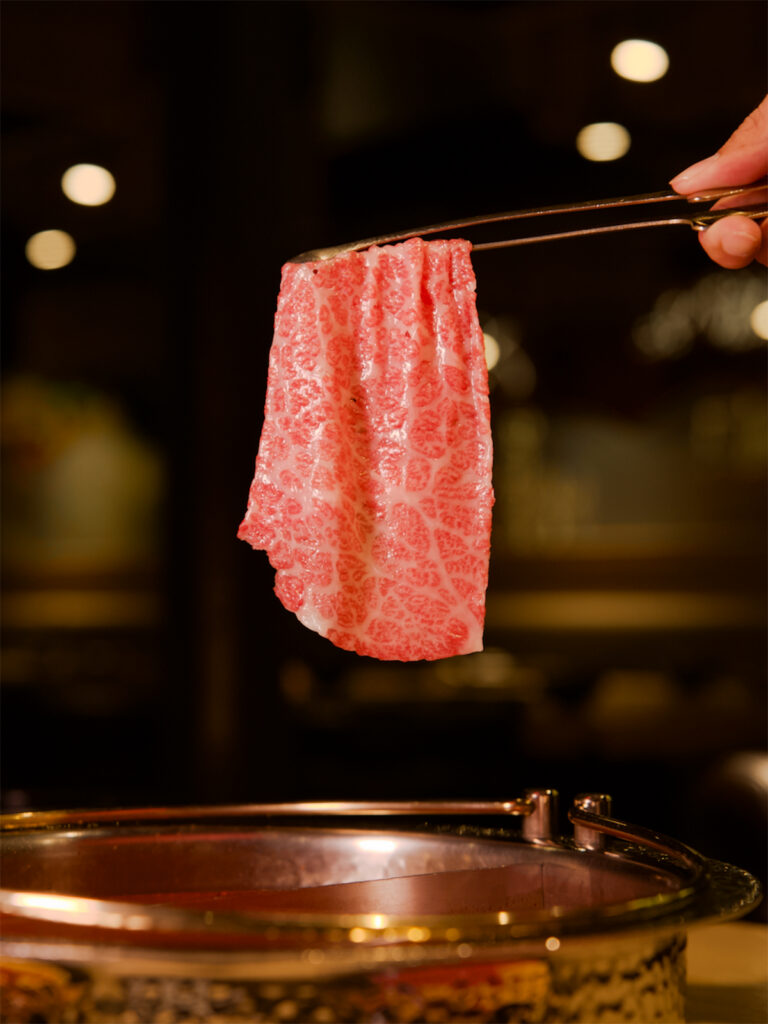
The experience includes two of five shabu broths. Consider the house dashi or Thai tom yum. To best appreciate the meat, swish for five seconds at most.
“You see the term wagyu everywhere now – all types, all levels, different sources, different cuts,” manager Justin Bow says. “It is important to be discerning. How do you become discerning? Enjoy it often!”
Japanese and Australian wagyu each arrive in a three-tiered presentation consisting, top to bottom, of rib-eye, brisket and shoulder. Hot tip: Reverse the order and end with the best.
“You see the term wagyu everywhere now – all types, all levels, different sources, different cuts. It is important to be discerning. How do you become discerning? Enjoy it often!”
Justin Bow, manager of Mikiya Wagyu Shabu House